
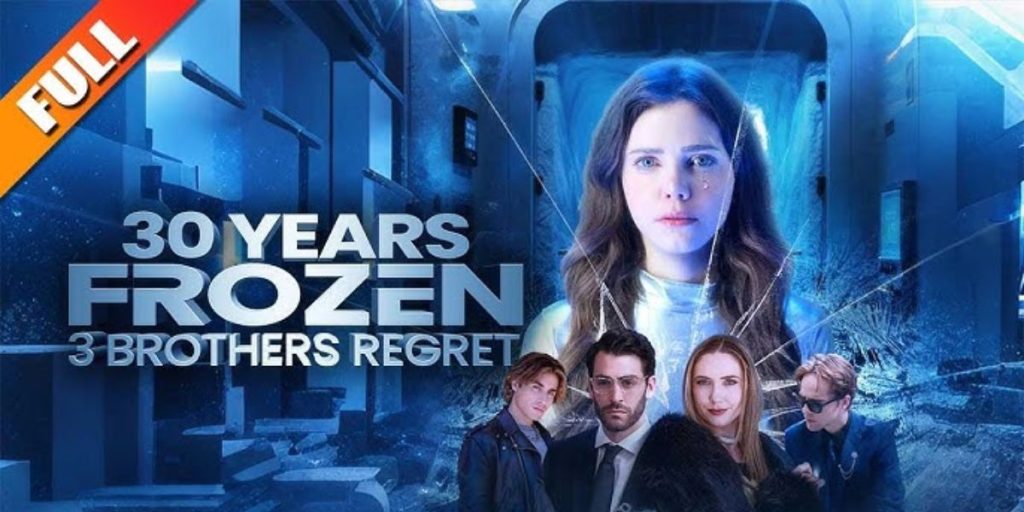
30 Years Frozen 3 Brothers Regret Ending is a 2025 American vertical mini series directed by Mengfang Yang. The story follows a younger sister who enters cryogenic sleep for thirty years after enduring abuse from her brothers, forcing them to confront overwhelming regret when she awakens.
This is a character-driven vertical drama currently highlighted on GoodShort, drawing attention for its emotional depth and reflective storytelling. Instead of relying on dramatic spectacle, the series builds its impact through regret, silence, and the long-term consequences of family cruelty that linger for decades.
Overview of 30 Years Frozen 3 Brothers Regret Ending
Before diving into the emotional and thematic depth of the story, it is important to understand the context in which this series was created. Production details often shape narrative tone, pacing, and stylistic decisions, especially in vertical-format storytelling.
30 Years Frozen 3 Brothers Regret Ending was released on June 14, 2025, and directed by Mengfang Yang. Produced in the United States and performed in English, the series embraces the vertical drama format designed primarily for mobile-first viewing. However, unlike many short-form projects that prioritize rapid plot escalation, this mini series opts for emotional restraint and psychological realism.
To better understand the structure behind the project, the key production details are outlined below. These elements contribute to both its storytelling rhythm and performance style.
- Director: Mengfang Yang
- Release Date: June 14, 2025
- Genre: Drama, Short Film (TV Mini Series), Vertical Drama
- Language: English
- Country of Origin: United States
The cast includes Tiffany Alvord, Quincey Szymeczek (credited as Quincey Leigh), Sam Myerson, Mick Krause, Adam Santa Cruz, Sue Laguna, Izac Chen Lee, and Liam Idrovo. Their performances collectively shape the intimate and emotionally controlled atmosphere that defines the series.
Summary a slow burn of memory and regret
To fully grasp the emotional impact of 30 Years Frozen 3 Brothers Regret Ending, it’s important to trace how the story unfolds. It doesn’t rush into melodrama or external shock value; instead, it layers memory, regret, and confrontation over time.
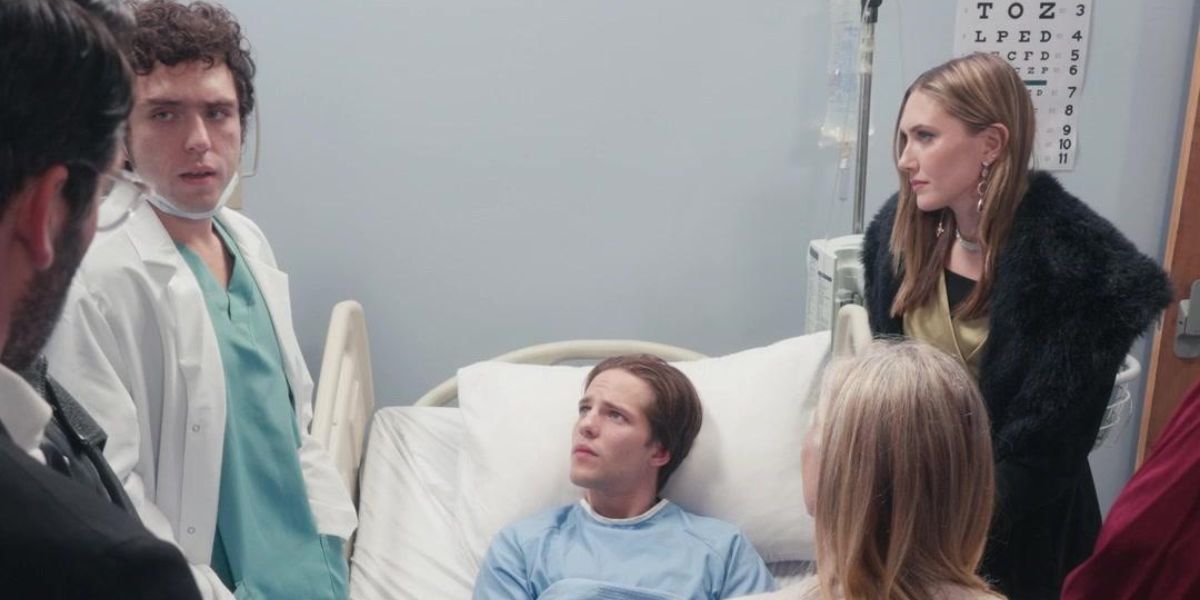
The series begins by introducing us to a family dynamic rife with inequality and cruelty. The younger sister, mistreated by her adoptive brothers, faces repeated emotional abuse that dehumanizes her. As the drama progresses, we see how her withdrawal – via cryogenic sleep – sends reverberations through the family psyche.
Rather than a straightforward flashback montage, the narrative stitches together past and present through carefully calibrated confrontations. Each moment of revelation heightens the emotional tension, showing how deep wounds left by neglect and betrayal do not simply disappear with time. The brothers’ regret is not sudden; it builds slowly, shaped by decades of personal reflection and lingering guilt.
What truly makes 30 Years Frozen 3 Brothers Regret Ending so engaging
There are many vertical dramas built around shocking premises, but not all of them leave a lasting impression. What makes 30 Years Frozen 3 Brothers Regret Ending stand out is not just its cryogenic concept, but the way that concept is handled with restraint and emotional focus. The series understands that spectacle may attract attention, but emotional truth is what keeps viewers invested.
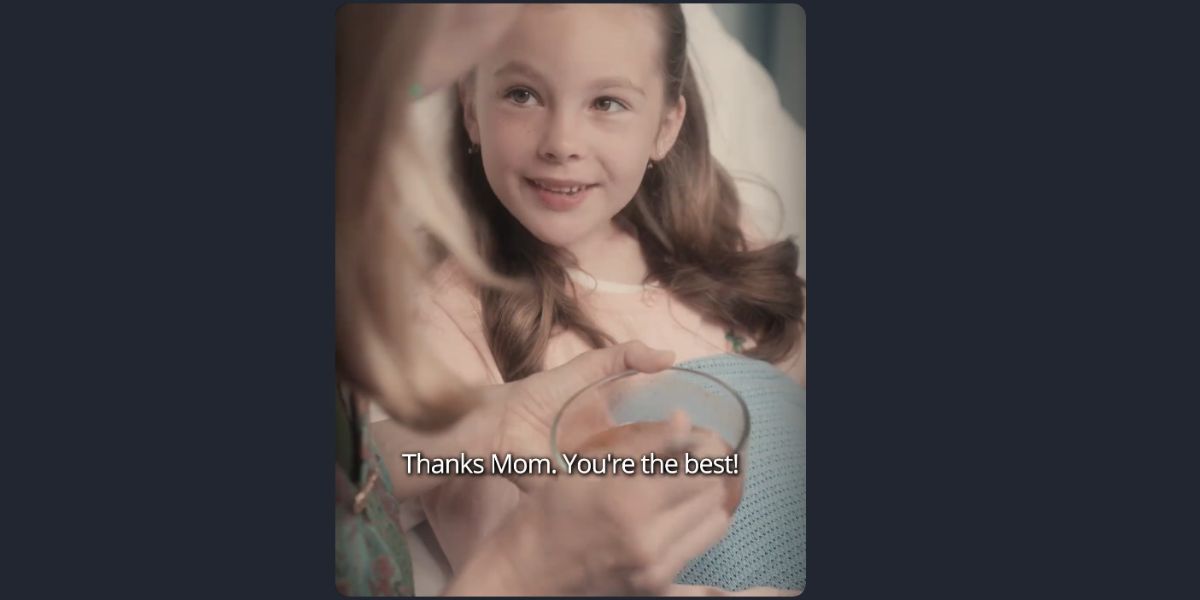
When looking closely, several elements explain why 30 Years Frozen 3 Brothers Regret Ending feels more compelling than it first appears:
- A concept that feels emotional rather than gimmicky: The idea of a sister entering cryogenic sleep for thirty years could easily have turned into a dramatic gimmick. Instead, the series treats it as a symbolic act of surrender and escape. That choice grounds the story in emotional reality, making the sci-fi element feel like a metaphor for trauma rather than a plot trick.
- Regret that feels earned, not forced: One of the strongest aspects of the series is how it handles the brothers’ regret. It does not happen instantly or dramatically. Their realization unfolds slowly, through hesitation, reflection, and visible discomfort, which makes the emotional payoff feel genuine rather than manufactured.
- Performances that favor restraint over melodrama: The cast avoids exaggerated reactions, and that restraint works in the story’s favor. Instead of shouting matches or theatrical breakdowns, we see controlled expressions and quiet tension. This subtlety makes the emotional damage feel more believable and, in many ways, more painful.
- An ending that trusts the audience: Many dramas would choose a climactic confrontation or a dramatic act of forgiveness. Here, the conclusion is quieter and more reflective. The series trusts viewers to understand that recognition itself can be devastating, and that time lost cannot simply be repaired by apology.
Character motivations and emotional stakes
Before evaluating the artistic execution, we must explore how key characters drive the story’s emotional power. Each character is defined by their response to trauma, identity, and the consequences of regret.
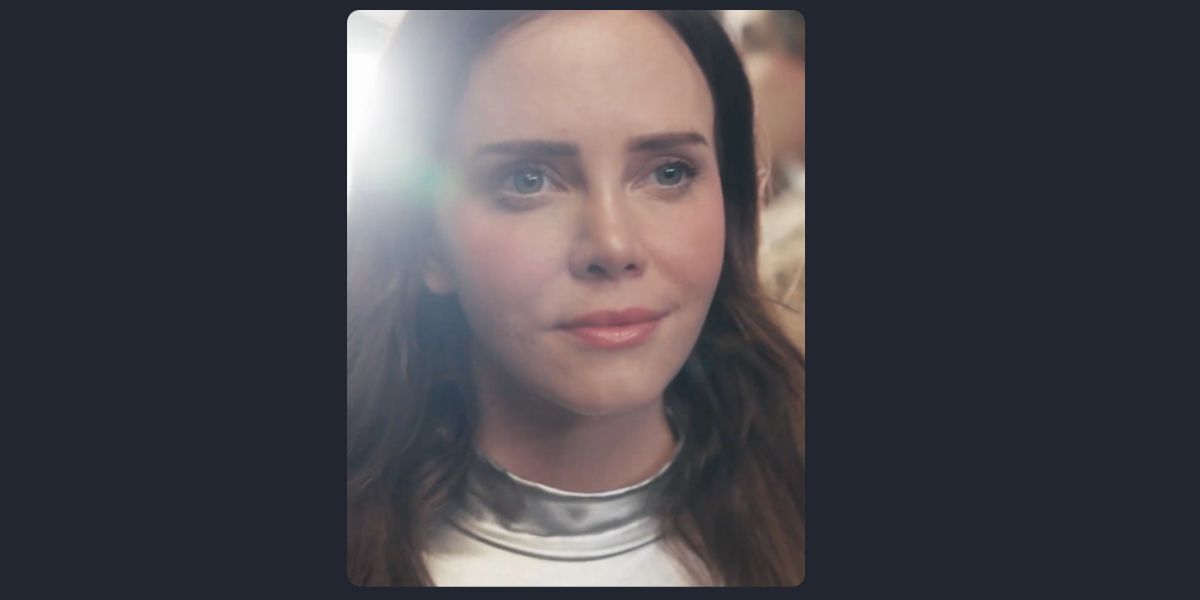
The younger sister Selene
The series’ emotional core rests with the younger sister, whose quiet suffering propels the entire narrative. Her decision to volunteer for a human cryopreservation experiment isn’t just escapism – it symbolizes her desire for peace after years of not being seen, valued, or respected.
While she does not seek revenge, her choice becomes the catalyst for the brothers’ awakening. Her endurance is silent but powerful; her absence becomes the loudest voice in the room.
The three brothers
Each brother represents a different form of denial and regret. Initially, they cling to pride and self-assuredness, failing to see how their actions contributed to the family’s collapse. Over time, however, their emotional armor begins to crack.
One brother tries to rationalize past choices, insisting that their decisions were justified. Another retreats into self-blame, overtaken by memories of what could have been prevented. The third becomes obsessive in his guilt, constantly questioning whether time could ever mend what was broken.
Themes that give the story emotional depth
The emotional power of 30 Years Frozen 3 Brothers Regret Ending lies in the motifs it chooses to explore – motifs that resonate far beyond the context of a single family. Before outlining them in detail, it’s worth noting that these themes are not merely stated; they are embodied in character behavior, dialogue, and silence.
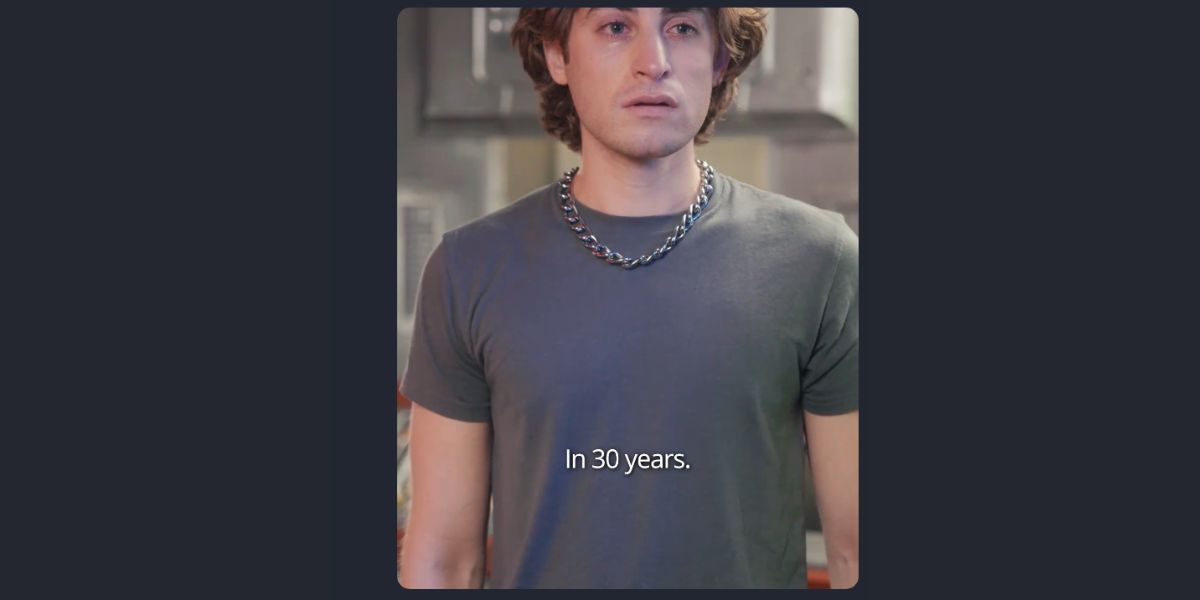
Abuse, identity, and the cost of silence
At its heart, this story confronts how emotional abuse, when ignored or rationalized, can erode a person’s sense of self. The younger sister’s decision to essentially pause her life for thirty years serves as a metaphor for how trauma can freeze identity.
Her absence wakes something far deeper within her brothers – a confrontation with their own complicity. The narrative suggests that silence in the face of emotional cruelty is not lack of conflict; it is hidden conflict, and often more damaging.
Regret that cannot be undone
Thematically, the series lingers on the idea that not all wounds can be healed with time. While the brothers may mature or reconsider their actions, they cannot literally rewind three decades. This contributes to the emotional sting of their regret – it isn’t just remorse, it’s recognition of permanent loss.
The illusion of escape and the weight of consequence
Although cryogenics might seem like a science-fiction plot device, here it functions as a metaphor for the mistaken belief that one can simply walk away from pain. The younger sister’s choice disrupts that illusion, forcing both her and her brothers to confront what they have surrendered in the process.
Conclusion
30 Years Frozen 3 Brothers Regret Ending ultimately proves that emotional restraint can be more powerful than dramatic spectacle. Instead of relying on explosive confrontation, the series chooses reflection, accountability, and the quiet devastation of time lost. Its impact lingers not because it shocks, but because it feels painfully human and emotionally honest.
For viewers who appreciate character-driven storytelling and mature psychological drama, this title is worth experiencing in full. You can watch and explore more emotionally compelling vertical dramas like this on GSHORT, where powerful short-form stories are designed to leave a lasting impression.

Lena Cross is an experienced short film blog writer at GoodShort, covering standout shorts, festival discoveries, and rising filmmakers with clear storytelling insights and trustworthy recommendations.